AVKAPP
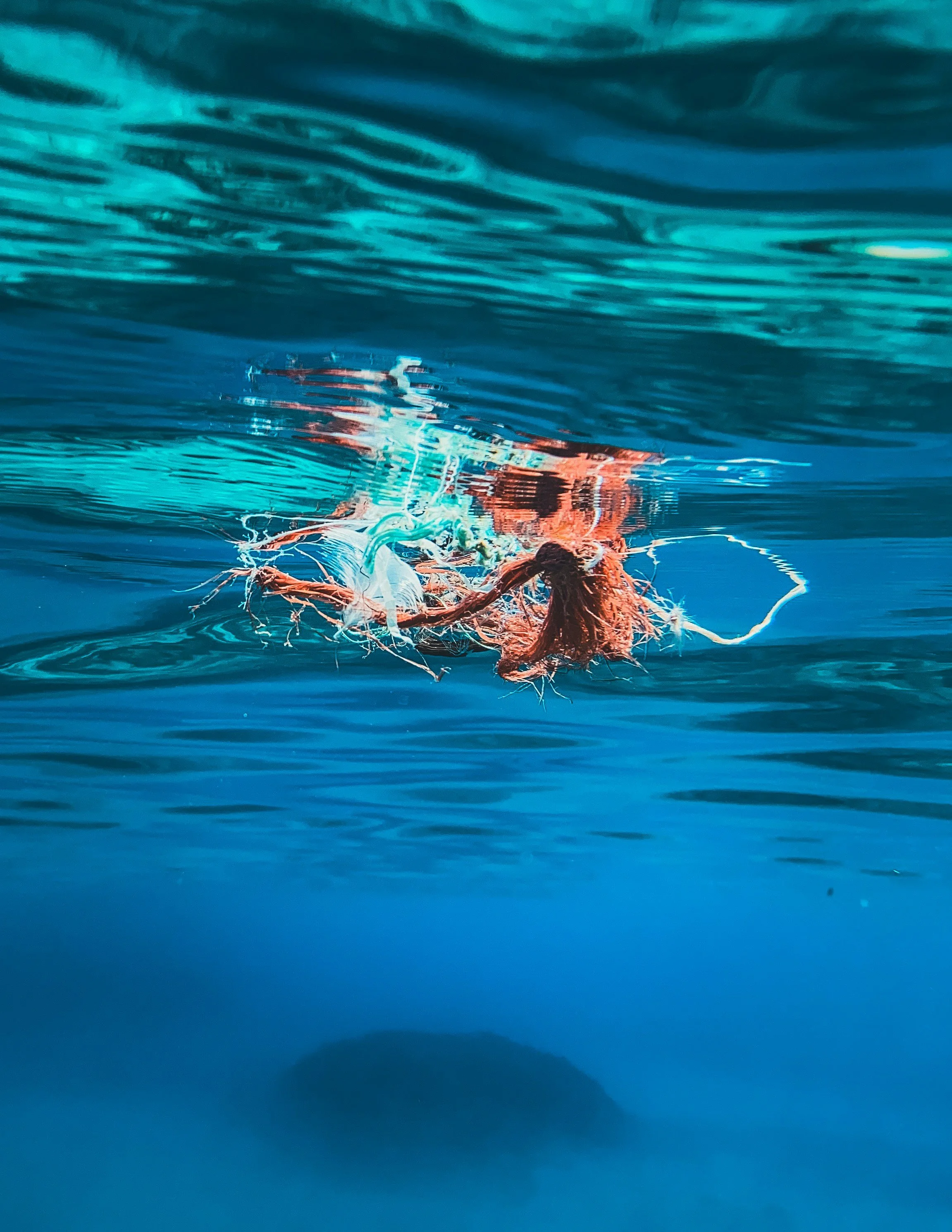
Photo by Naja Bertolt Jensen on Unsplash
AVKAPP addresses plastic leakage from the maintenance and repair of fishing gear. The project investigates where cut-off materials from trawl and seine repairs are lost, how these materials move through existing production and waste systems, and which practical measures can prevent them from reaching the marine environment.
The project brings together research, fisheries, aquaculture, waste management, design, and industry to develop concrete and sustainable solutions for handling these material residues. Rather than treating cut-offs as an unavoidable waste problem, AVKAPP explores how better practices, new systems, and alternative forms of value can be created around them.
Bioregion Institute contributes a regenerative design practice to the project. Our role is to connect the material reality of fishing-gear waste with the people, infrastructures, and environments involved in its use. We investigate the cut-offs as both a point of leakage and a potential resource, using design research, material experimentation, visualisation, and hands-on proof-of-concept development to make possible solutions tangible.
Through this approach, we help translate research findings into practical demonstrations that can be understood, tested, and further developed with relevant stakeholders. Our contribution supports the project in moving from identifying the problem to imagining—and physically exploring—more regenerative systems for marine production.
From material leakage to shared responsibility.
From waste handling to regenerative value.
Focus: Cut-offs from trawl and seine repairs
Aim: Prevent plastic pollution from fishing-gear maintenance
Our role: Regenerative design practice, material exploration, visualisation, and proof-of-concept development
Project lead: The Arctic University of Norway
The project’s central aim is to identify leakage points for cut-offs from trawl and seine repairs and develop concrete, sustainable solutions.
Project webpage
UiT AVKAPP
Timeline
2024 to 2027
Funded by
Handelens Miljøfund
Norges Fiskarlag
Research team
Dr. Jannike Falk-Andersson
Researcher UIT, Project Leader
Dr. Jesse Brinkhof
Førsteamanuensis
Dr. Anne Katrine Normann
Associate Professor
Birgitta Ralston
Designer
Jørgen Vollstad
SINTEF
Maria Pettersvik Arvnes
Norges Fiskarlag